
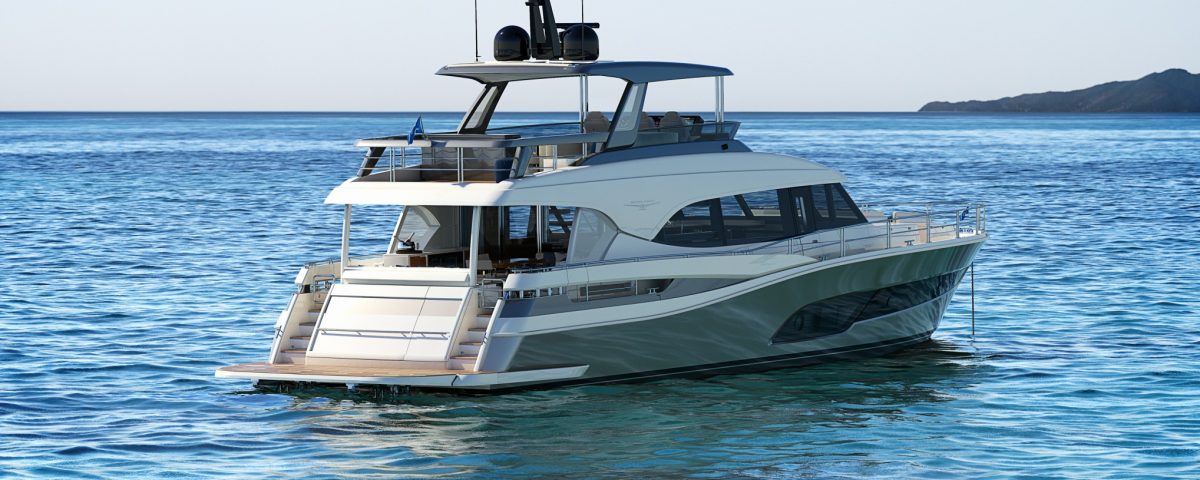
A yacht survey is a professional inspection that evaluates a vessel’s condition, safety, value, and readiness for use. Surveyors inspect the hull, engines, electrical systems, plumbing, fuel system, safety gear, electronics, interior, documentation, and performance during sea trial and haul-out. For buyers, sellers, lenders, and insurers, the survey report helps identify defects, estimate value, and make informed decisions before closing, financing, or insuring a yacht.
- Primary purpose: Verify the yacht’s condition, safety, and market value.
- Most complete survey: A pre-purchase survey with sea trial and haul-out.
- Key areas inspected: Structure, machinery, systems, safety equipment, records, and performance.
- Best use of findings: Negotiate repairs, plan maintenance, confirm insurability, or reconsider the purchase.
What Is a Yacht Survey?
A yacht survey is a detailed inspection performed by a qualified marine surveyor. The surveyor evaluates the vessel’s condition, identifies defects, documents safety concerns, and typically provides a written report with photographs, recommendations, and an estimated fair market value.
Yacht surveys are commonly used when buying, selling, financing, or insuring a vessel. Buyers exploring yachts and boats for sale often rely on the survey to confirm whether the vessel matches its listing, asking price, and intended use.
Common Types of Yacht Surveys
- Pre-purchase survey: Completed before buying a yacht to evaluate condition, value, and risk.
- Insurance survey: Required by many insurers to determine whether a yacht is safe and insurable.
- Condition and value survey: Used by lenders, insurers, or owners to document current condition and value.
- Damage survey: Performed after an accident, grounding, storm, fire, or other loss.
- Appraisal survey: Focused mainly on determining market value.
Yacht Survey Checklist: Main Areas Inspectors Review
A yacht survey checklist covers the vessel from bow to stern. While every yacht is different, most inspectors follow a systematic process that includes structure, machinery, safety systems, documentation, and operational testing.
1. Hull and Structural Condition
The hull is one of the most important areas in any yacht survey. A yacht may have updated finishes and electronics, but serious hull damage can create major safety and repair concerns.
- Cracks, blisters, delamination, or impact damage
- Evidence of previous repairs
- Moisture intrusion in fiberglass construction
- Corrosion or wastage in metal hulls
- Damage around through-hulls, shafts, struts, rudders, and stabilizers
- Stress cracks around high-load areas
- Signs of grounding or collision
During haul-out, the surveyor can inspect the bottom, keel, running gear, rudders, trim tabs, propellers, shaft seals, anodes, and hull coatings. For fiberglass yachts, moisture readings may be taken around the transom, stringers, decks, and hull penetrations.
2. Deck, Superstructure, and Exterior Hardware
Surveyors inspect decks and superstructures for safety, leaks, and structural soundness. Cored decks are common on many yachts, and failed hardware bedding can allow water into the core.
- Soft or spongy deck areas
- Cracks around cleats, rails, windlasses, stanchions, and fittings
- Loose or corroded hardware
- Condition of hatches, portlights, windows, and seals
- Water stains or signs of leaks
- Condition of non-skid surfaces
- Swim platform, boarding ladder, and step integrity
- Rub rail and exterior trim condition
3. Engines and Propulsion Systems
Engines are among the most expensive components on a yacht. Surveyors visually inspect machinery, review maintenance records, and observe performance during sea trial. On larger yachts, a separate engine survey by a certified diesel mechanic is often recommended.
- Oil, fuel, or coolant leaks
- Corrosion on engine components
- Condition of belts, hoses, clamps, and mounts
- Exhaust system condition
- Engine room ventilation
- Fuel lines and filters
- Engine hours and service history
- Smoke, vibration, temperature, and noise under load
A clean engine room can indicate attentive ownership, but it does not guarantee mechanical health. Surveyors also look for deferred maintenance, poor access, improvised repairs, and modifications that may affect reliability.
4. Generator and Auxiliary Machinery
Many yachts rely on generators and auxiliary equipment for air conditioning, refrigeration, galley appliances, electronics, watermakers, pumps, and onboard comfort.
- Generator operation under load
- Oil and coolant condition
- Sound shield condition
- Raw water flow
- Exhaust system
- Fuel system
- Mounts, belts, hoses, and wiring
- Battery charging systems
- Watermakers, compressors, pumps, and hydraulic systems when applicable
5. Electrical Systems
Electrical systems are a major survey focus because poor wiring can create fire hazards, equipment failures, and safety risks. Yachts may include AC shore power, DC battery systems, generators, inverters, chargers, digital switching, and monitoring systems.
- Wiring quality and secure connections
- Overcurrent protection
- Battery condition and installation
- Charger and inverter operation
- Shore power cord condition
- Corrosion at terminals
- Proper labeling
- Signs of overheating
- Grounding and bonding systems
- GFCI protection where required
- Navigation lights and onboard lighting
6. Plumbing, Bilge, and Through-Hull Fittings
Plumbing systems include freshwater, seawater, gray water, black water, bilge pumps, heads, showers, drains, and sometimes watermakers or treatment systems. Surveyors check these systems for leaks, function, and safe installation.
- Freshwater pumps and tanks
- Water heaters
- Heads and sanitation systems
- Holding tanks and discharge systems
- Bilge pump operation
- High-water alarms
- Seacocks and through-hull fittings
- Hose condition and double clamping where appropriate
- Drainage from decks, showers, and compartments
- Sump pumps and macerator pumps
Through-hulls and seacocks are especially important because failure can lead to flooding. Inspectors check whether seacocks operate properly and whether fittings show corrosion, cracking, or poor installation.
7. Fuel System
Fuel system problems can cause engine failure, fire risk, environmental issues, and costly repairs. Inspectors evaluate visible tanks, fuel lines, filters, vents, fills, and shutoff valves.
- Fuel leaks or odors
- Corrosion on tanks or fittings
- Proper hose type and condition
- Secure fuel lines
- Accessible shutoff valves
- Condition of filters and separators
- Tank labeling and installation
- Evidence of contaminated fuel
- Proper venting
8. Safety Equipment and Compliance
A yacht survey includes a review of safety equipment. Requirements vary by vessel size, use, flag, location, and intended operation, but inspectors check whether essential gear is present, accessible, current, and serviceable.
- Life jackets and personal flotation devices
- Throwable flotation devices
- Fire extinguishers
- Fixed fire suppression systems
- Flares and visual distress signals
- Horn, whistle, or sound-producing devices
- Navigation lights
- EPIRB or PLB when applicable
- Life rafts when applicable
- First aid kits
- Emergency tiller or steering backup
- Carbon monoxide and smoke detectors
- Bilge alarms
Expired flares, discharged extinguishers, inaccessible life jackets, and outdated life raft certifications are common findings. These items are usually straightforward to correct, but they matter for safety and insurance approval.
9. Electronics and Navigation Equipment
Modern yachts may include multifunction displays, radar, sonar, autopilot, AIS, VHF radios, satellite communications, cameras, and integrated monitoring systems. Surveyors usually verify that electronics power up and perform basic functions.
- Chartplotters and displays
- Radar operation
- Autopilot engagement
- Depth sounder and transducers
- VHF radio operation
- AIS transmission and reception
- GPS signal
- Compass condition
- Cameras and monitoring systems
- Networked electronics integration
- Antennas and wiring
Electronics age quickly. Even working systems may be outdated, unsupported, or incompatible with newer technology. Replacement costs can be substantial on larger yachts with multiple stations.
10. Interior Condition and Living Spaces
The interior often reveals how a yacht has been used and maintained. Surveyors inspect cabins, heads, galley spaces, flooring, cabinetry, upholstery, appliances, climate control, and signs of moisture intrusion.
- Water stains or mildew odors
- Soft flooring or damaged sole panels
- Cabinet and joinery condition
- Galley appliance operation
- Air conditioning and heating systems
- Refrigerator and freezer operation
- Headliners and wall coverings
- Upholstery and bedding condition
- Head and shower function
- Doors, drawers, latches, and hinges
- Signs of pests or mold
11. Rigging, Sails, and Sailing Systems
For sailing yachts, the survey includes rigging, spars, sails, winches, chainplates, furling systems, and deck hardware. A specialist may be needed for a detailed rig inspection aloft.
- Standing rigging
- Running rigging
- Mast and boom condition
- Chainplates and attachment points
- Winches and clutches
- Furling systems
- Sail condition
- Tracks, blocks, and travelers
- Keel bolts and related structure
- Steering systems
Rigging has a service life. Insurers may request documentation for older standing rigging, and chainplate leaks, corrosion, and fatigue can become serious concerns.
What Happens During a Yacht Sea Trial?
A sea trial allows the surveyor, buyer, broker, captain, and sometimes a mechanic to observe the yacht in real operating conditions. It can reveal problems that are not visible at the dock.
- Engine startup and acceleration
- Wide-open-throttle performance
- Cruising speed and RPM
- Engine temperatures and oil pressure
- Steering response
- Transmission engagement
- Vibration levels
- Trim tab operation
- Stabilizer operation
- Bow and stern thruster performance
- Generator performance underway
- Autopilot and navigation equipment
- Noise, smoke, and exhaust output
The sea trial helps determine whether the yacht reaches expected speeds and operating ranges. It can also expose overheating, vibration, fuel delivery problems, steering issues, and underperformance.
Why Haul-Out Matters in a Yacht Survey
A haul-out inspection allows the surveyor to inspect underwater components that cannot be properly evaluated while the yacht is in the water. It is highly recommended for most pre-purchase surveys.
- Bottom paint condition
- Underwater hull
- Propellers
- Shafts
- Struts
- Cutlass bearings
- Rudders
- Trim tabs
- Zincs or anodes
- Stabilizer fins
- Bow thruster tunnels
- Transducers
- Through-hulls and seacocks
Skipping haul-out may save time at first, but it can leave major unknowns unresolved. Grounding damage, corrosion, worn bearings, bent running gear, blistering, and other underwater issues are often found only after the boat is lifted.
Documentation and Maintenance Records Inspectors Review
Organized records help support value and buyer confidence. Missing records do not always mean poor maintenance, but they make it harder to verify service history, upgrades, repairs, and compliance items.
- Title or documentation
- Registration
- Builder information
- Engine and generator manuals
- Maintenance logs
- Yard invoices
- Oil analysis reports
- Warranty records
- Equipment manuals
- Fire system certifications
- Life raft certifications
- Previous surveys
- Upgrade documentation
For owners preparing to list a vessel, strong documentation can support the sales process. Sellers can also request a professional yacht valuation to better understand market position before listing.
Common Issues Found During Yacht Surveys
Even well-maintained yachts can have survey findings. The key is separating urgent safety concerns from routine maintenance and cosmetic issues.
| Survey Finding | Why It Matters |
|---|---|
| Expired safety equipment | May affect safety compliance and insurance approval. |
| Moisture in decks or transoms | Can indicate core damage, leaks, or structural repair needs. |
| Oil, fuel, or coolant leaks | May signal mechanical, fire, or environmental risk. |
| Frozen seacocks | Can increase flooding risk during an emergency. |
| Outdated electronics | May require expensive upgrades or replacement. |
How Buyers Should Prepare for a Yacht Survey
Buyers can get more value from the survey by preparing before survey day. The process may involve the buyer, seller’s representative, broker, surveyor, captain, yard crew, and mechanic.
- Choose a qualified marine surveyor.
- Confirm the survey scope in writing.
- Schedule haul-out in advance.
- Arrange a sea trial.
- Request maintenance records before survey day.
- Ask whether an engine survey is recommended.
- Bring questions about systems, ownership history, and known issues.
- Allow enough time for a thorough inspection.
- Review the final report carefully before closing.
The survey is not just a pass or fail event. It is a decision-making tool that helps clarify condition, cost, and ownership risk. Buyers who are still comparing options can review newly listed used yachts to understand how survey findings may affect value across similar vessels.
How Sellers Should Prepare for a Yacht Survey
Sellers can make the process smoother by addressing obvious maintenance items before inspection. A clean, accessible, well-documented yacht helps the surveyor work efficiently and gives buyers more confidence.
- Clean the yacht thoroughly.
- Organize records and manuals.
- Test lights, pumps, electronics, and appliances.
- Replace expired safety equipment.
- Service engines and generators if due.
- Make lockers, bilges, and mechanical spaces accessible.
- Remove unnecessary personal items.
- Repair known leaks or faulty equipment.
- Charge batteries.
- Confirm fuel and water levels are adequate for sea trial.
Transparency matters. Trying to hide known issues rarely helps and can damage trust during negotiations. Owners preparing to sell can learn more about the process of selling a yacht with SYS Yacht Sales.
What Happens After the Survey?
After inspection, the surveyor prepares a written report. The report usually includes the vessel description, findings, photographs, recommendations, estimated value, and sometimes repair priority levels.
Buyers typically review the report with their broker and decide whether to:
- Proceed with the purchase as planned.
- Request repairs before closing.
- Renegotiate the purchase price.
- Ask for further inspections.
- Walk away from the purchase.
Not every finding should derail a deal. Yachts are complex, and even excellent vessels may have maintenance items. The most important question is whether the issue affects safety, insurability, value, or long-term ownership cost.
Experience-Based Insight: What Survey Findings Usually Mean in Real Transactions
In real yacht transactions, survey findings often become a negotiation tool rather than a deal breaker. Minor items such as expired flares, worn hoses, or inoperable lights are usually handled through repair agreements, credits, or post-closing maintenance plans.
More serious issues, such as hull moisture, fuel leaks, engine overheating, major corrosion, or structural damage, require deeper evaluation. In those situations, buyers should work with their broker, surveyor, mechanic, and yard professionals before deciding how to proceed.
A knowledgeable yacht broker can help interpret the survey in the context of market value, vessel age, equipment level, and comparable listings. This is especially useful when evaluating larger motor yachts, luxury cruising vessels, or complex boats with extensive onboard systems.
FAQ
Is a yacht survey required?
A yacht survey is often required by lenders and insurance companies, especially for larger or older vessels. Even when it is not required, a survey is strongly recommended before buying a yacht because it can reveal safety issues, repair needs, valuation concerns, and hidden defects.
How long does a yacht survey take?
The timeline depends on yacht size, complexity, location, haul-out scheduling, sea trial plans, and whether an engine survey is included. Smaller vessels may take less time, while larger yachts with multiple systems, generators, electronics, and machinery spaces usually require a more detailed inspection.
Who pays for the yacht survey?
In most pre-purchase situations, the buyer pays for the survey, haul-out, sea trial expenses, and related inspections. The purchase agreement may define specific responsibilities, so buyers should review terms with their broker before scheduling survey day.
Can a yacht fail a survey?
A yacht survey is not usually a simple pass or fail. The report identifies condition, deficiencies, safety concerns, and estimated value. Serious findings may affect insurance approval, financing, purchase negotiations, or the buyer’s decision to proceed.
Do I need a separate engine survey?
A separate engine survey is often recommended for larger yachts, diesel-powered vessels, or boats with high-value machinery. A marine surveyor may inspect engines visually, but a certified mechanic can perform deeper diagnostics, review engine data, test performance, and identify mechanical concerns.
Bottom Line
A yacht survey helps buyers, sellers, lenders, and insurers understand a vessel’s real condition, safety, and value. The best surveys include a detailed inspection, maintenance record review, sea trial, and haul-out. Before making a major yachting decision, use the survey report to clarify risk, negotiate fairly, and plan the next steps with confidence.
Experience the SYS Difference
A thorough yacht survey helps you understand what you are buying, selling, insuring, or maintaining. It protects your investment, clarifies the yacht’s condition, and gives you a stronger foundation for confident decision-making.
SYS Yacht Sales provides personalized guidance across the yacht buying and selling process. Team SYS represents buyers and sellers in Florida and around the world, with experience in new and used boats and yachts ranging from 30 to 200 feet.
Whether you are searching for your first cruiser, upgrading to a larger motor yacht, preparing to sell, or exploring global charter opportunities, the right guidance makes all the difference. You can browse the SYS Yacht Sales yacht search database or connect with an experienced broker through the SYS broker team.