
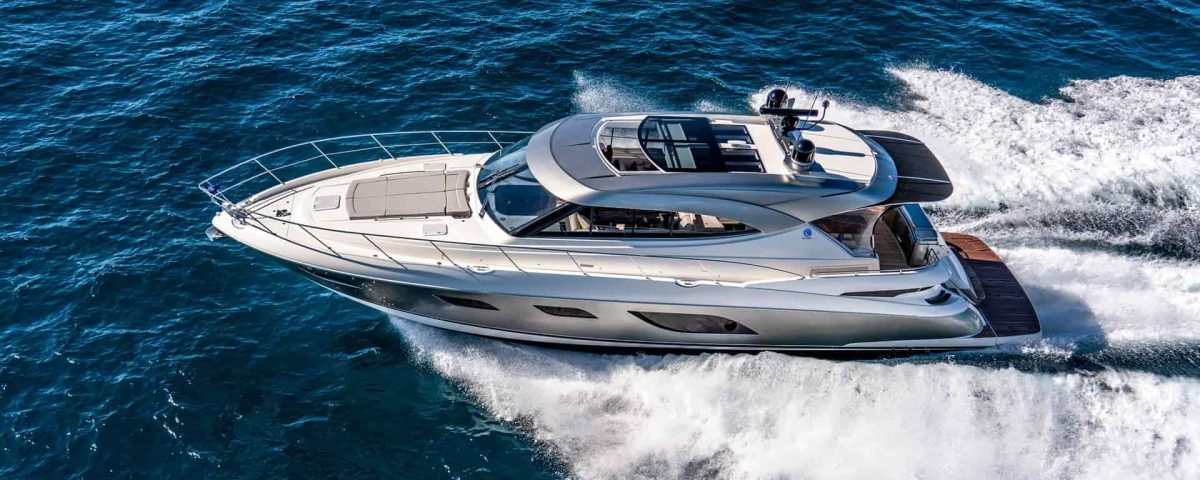
Motor Yachts 50–60 ft: Everything You Need to Know Before You Buy
Shopping for motor yachts for sale in the 50 to 60-foot range is an exciting step for buyers who want more space, comfort, performance, and cruising capability without moving into the operational demands of a much larger vessel. Yachts in this category often provide multiple staterooms, generous entertainment areas, capable propulsion systems, and enough storage for extended trips. They can work well for weekend escapes, seasonal cruising, full-time living, or entertaining family and friends. However, purchasing a yacht of this size involves more than choosing an attractive layout or comparing asking prices. Buyers need to consider operating costs, docking requirements, maintenance history, onboard systems, handling characteristics, and long-term ownership goals before making a decision.
Why Buyers Choose Motor Yachts Between 50 and 60 Feet
The 50 to 60-foot category occupies an appealing middle ground in the yacht market. These vessels are large enough to offer many of the comforts associated with luxury cruising while remaining manageable for experienced owner-operators. Depending on the model, a yacht in this range may include three or four staterooms, multiple heads, a full galley, spacious salons, outdoor dining areas, and dedicated crew accommodations.
Another advantage is versatility. Some motor yachts are designed for fast coastal cruising, while others emphasize fuel efficiency and long-range travel. Buyers can find flybridge models, enclosed bridge configurations, express yachts, pilothouse designs, and traditional cruising yachts within this size range. This variety makes it possible to select a vessel that closely matches how and where it will be used.
A yacht between 50 and 60 feet can also provide a more comfortable experience in changing weather and sea conditions than a smaller boat. Increased displacement, larger fuel and water capacities, and more advanced stabilization systems can improve comfort during longer passages. At the same time, buyers must understand that greater size also brings higher ownership expenses and more complex onboard equipment.
Define How You Plan to Use the Yacht
Before comparing brands or touring vessels, buyers should clearly define their intended use. A yacht that performs well for short weekend trips may not be the best choice for extended offshore cruising. Similarly, a yacht designed for entertaining large groups may sacrifice storage or fuel efficiency.
Consider the following questions:
- Will the yacht primarily be used for day trips, weekends, or extended voyages?
- How many overnight guests will regularly be aboard?
- Do you plan to operate the yacht yourself or hire a captain and crew?
- Will you cruise locally, travel through the Bahamas, or make longer coastal passages?
- Is speed more important than fuel economy?
- Do you need a tender garage, hydraulic swim platform, or dedicated crew quarters?
- Will the yacht be used privately, placed into charter, or both?
Answering these questions early can narrow the search and help avoid purchasing a yacht that does not match your actual lifestyle. Buyers should focus on practical use rather than selecting a vessel based only on appearance or maximum capacity.
Flybridge, Express, and Pilothouse Configurations
Motor yachts between 50 and 60 feet are available in several common configurations. Each design offers advantages depending on the buyer’s preferences.
Flybridge Motor Yachts
Flybridge yachts feature an elevated upper helm station with additional seating and entertainment space. The higher position can provide excellent visibility while docking or cruising. Many modern flybridges include wet bars, grills, sun pads, hardtops, and climate-controlled helm areas.
Flybridge models are popular with buyers who enjoy outdoor entertaining and want multiple social spaces. However, the additional structure can increase wind resistance and overall height. Buyers should confirm bridge clearance requirements if they plan to cruise in areas with fixed bridges.
Express Motor Yachts
Express yachts typically have a sleeker profile, a lower center of gravity, and a main helm located on the primary deck. They often prioritize speed, sporty handling, and indoor-outdoor flow. Large opening roofs, sliding doors, and spacious cockpit areas are common features.
These yachts may appeal to buyers who prefer contemporary styling and do not need a separate upper helm. However, express models may have less outdoor seating than comparable flybridge yachts, depending on the design.
Pilothouse Motor Yachts
Pilothouse yachts include a dedicated interior helm area that is often separated from the main salon. This configuration can provide excellent visibility and protection from the weather during long passages. Some pilothouse yachts also include a flybridge, offering two operating stations.
This style is especially attractive to buyers planning longer trips or year-round cruising. The separate helm can create a quieter salon and provide space for navigation equipment, charts, electronics, and overnight watchkeeping.
Evaluate the Interior Layout Carefully
Interior layouts can vary significantly between yachts of similar length. A few feet of difference in beam, hull design, or cabin placement can greatly affect usable space. Buyers should evaluate how easily people can move through the yacht and whether the sleeping arrangements are practical.
A typical 50 to 60-foot motor yacht may include:
- A full-beam primary stateroom
- A forward VIP stateroom
- One or two guest cabins
- Two or three heads
- A galley located on the main deck or below
- A salon with dining and entertainment areas
- Washer and dryer equipment
- Crew quarters or additional storage
- Exterior cockpit and bow seating
Pay close attention to headroom, natural light, ventilation, storage, stair placement, and access to machinery. A visually impressive interior may feel less functional once luggage, supplies, water toys, and personal belongings are brought aboard.
Buyers planning extended stays should look for sufficient refrigeration, pantry space, laundry facilities, and freshwater capacity. Those who expect frequent guests may prefer separate heads, flexible sleeping arrangements, and greater privacy between cabins.
Understand Performance and Engine Options
Most motor yachts in this category use twin diesel engines, although engine size, horsepower, cruising speed, and fuel consumption can vary widely. Some yachts are designed to cruise efficiently at moderate speeds, while others are built for faster travel.
Buyers should review:
- Engine make and model
- Total operating hours
- Recommended service intervals
- Cruise and maximum speeds
- Fuel burn at different speeds
- Fuel tank capacity
- Estimated cruising range
- Propulsion type
- Generator size and hours
- Availability of service technicians and replacement parts
Traditional shaft-drive systems are common and valued for their durability and serviceability. Pod-drive systems can provide easier maneuvering, improved efficiency, and joystick control, but they may involve different maintenance requirements. Some yachts also include bow and stern thrusters to assist with docking.
Published performance figures should be treated as estimates. Actual speed and fuel consumption can be affected by load, sea conditions, bottom condition, propeller condition, and engine health. A sea trial is essential for evaluating acceleration, vibration, noise, handling, and visibility.
Consider Stabilization Systems
Stabilization can make a major difference in comfort, especially for owners who plan to cruise in open water or spend time anchored. Many yachts between 50 and 60 feet are equipped with fin stabilizers, gyroscopic stabilizers, or both.
Fin stabilizers are generally effective while the yacht is underway, although some modern systems can also reduce motion at anchor. Gyroscopic stabilizers are designed to reduce rolling without external fins and can be particularly helpful while anchored or moving at lower speeds.
Buyers should determine whether a stabilization system is already installed, how old it is, and whether it has been properly serviced. Retrofitting stabilization can be possible, but it may require substantial structural, electrical, and mechanical work. A marine surveyor or qualified technician can help assess the system’s condition and maintenance requirements.
Calculate the True Cost of Ownership
The purchase price is only one part of yacht ownership. Annual expenses can vary based on the yacht’s age, condition, location, usage, and level of professional support.
Common ownership costs include:
- Dockage or marina fees
- Insurance
- Fuel
- Engine and generator maintenance
- Bottom cleaning and antifouling paint
- Exterior washing and detailing
- Interior cleaning
- Electronics repairs and upgrades
- Air conditioning and refrigeration service
- Stabilizer maintenance
- Safety equipment inspections
- Registration and documentation
- Captain or crew compensation
- Storage and hurricane preparation
Older yachts may offer a lower purchase price but require more frequent repairs or system replacements. Newer yachts may include updated technology and warranties, but they can have a higher initial cost. Buyers should develop an annual operating budget before making an offer.
It is also wise to maintain a reserve for unexpected repairs. Pumps, batteries, air conditioning units, electronics, plumbing components, and hydraulic systems can fail even on well-maintained yachts. A realistic ownership budget helps prevent routine maintenance from becoming financially stressful.
Dockage, Draft, and Bridge Clearance
A yacht’s dimensions can affect where it can be kept and where it can travel. Length overall is important, but beam, draft, and air draft also require careful consideration.
A wider beam may provide more interior space and stability, but it can limit marina availability. Draft affects access to shallow waters, anchorages, and certain cruising destinations. Air draft determines whether the yacht can pass beneath bridges.
Before buying, contact local marinas to confirm:
- Slip availability
- Maximum length and beam
- Shore power capacity
- Water access
- Parking and security
- Liveaboard restrictions
- Hurricane policies
- Monthly or annual rates
Buyers planning to cruise the Intracoastal Waterway or other bridge-controlled routes should review bridge heights and operating schedules. Those interested in the Bahamas should also consider draft limitations at certain marinas and anchorages.
New Versus Pre-Owned Motor Yachts
Both new and used yachts offer potential advantages. The right choice depends on the buyer’s budget, timeline, preferences, and willingness to manage upgrades.
A new yacht may provide:
- Manufacturer warranties
- Current technology
- Modern styling
- Greater customization during the ordering process
- Lower immediate maintenance needs
- Dealer and factory support
A pre-owned yacht may provide:
- Lower acquisition cost
- Immediate availability
- Existing equipment and upgrades
- A documented service history
- Reduced initial depreciation
Condition matters more than age alone. A well-maintained older yacht may be a better purchase than a newer vessel with deferred maintenance. Buyers should review maintenance records, invoices, engine service documentation, ownership history, and previous survey findings whenever available.
The Importance of a Professional Survey and Sea Trial
A thorough marine survey is one of the most important steps in the buying process. The surveyor evaluates the yacht’s structure, systems, safety equipment, machinery, and general condition. A separate engine survey may also be recommended, particularly for high-hour engines or vessels with incomplete service records.
The survey may include inspection of:
- Hull and deck condition
- Moisture levels
- Electrical systems
- Plumbing systems
- Fuel systems
- Steering and controls
- Air conditioning
- Navigation electronics
- Safety equipment
- Ground tackle
- Tender handling equipment
- Appliances and onboard machinery
The yacht may also be hauled out so the surveyor can inspect the bottom, running gear, shafts, propellers, rudders, stabilizer fins, and through-hull fittings. During the sea trial, the buyer and survey team can observe engine performance, temperatures, exhaust, steering response, vibration, sound levels, and cruising characteristics.
Survey findings can help buyers decide whether to proceed, renegotiate, request repairs, or withdraw under the terms of the purchase agreement.
Work With an Experienced Yacht Broker
An experienced yacht broker can help buyers navigate listings, market values, inspections, contracts, documentation, financing, insurance, and closing procedures. Brokers may also know about yachts that are not widely advertised or listings that have recently changed in price or availability.
A knowledgeable broker should take time to understand the buyer’s priorities rather than simply recommending the largest or most expensive yacht available. The broker can help compare models, identify potential concerns, coordinate showings, and communicate with sellers and listing agents.
International purchases can involve additional considerations, including tax status, importation, flag registration, currency exchange, and transportation. Working with a team that represents buyers and sellers in multiple markets can help simplify a complex transaction.
Frequently Asked Questions
Can one person operate a 50 to 60-foot motor yacht?
An experienced owner may be able to operate certain yachts in this size range, especially when the vessel has joystick controls, thrusters, cameras, and well-designed docking stations. However, handling requirements vary by model, marina conditions, and cruising area.
Do I need to hire a captain?
A captain may be required by an insurance provider if the owner lacks experience with yachts of a similar size. Some buyers hire a captain temporarily for training, delivery, or longer trips.
How many guests can a 50 to 60-foot yacht accommodate?
Many yachts in this range can sleep six to eight guests, although layouts vary. Day-use capacity may be higher, subject to safety equipment, manufacturer recommendations, and applicable regulations.
What is the typical cruising range?
Cruising range depends on fuel capacity, hull design, engine size, speed, and load. Buyers should review model-specific performance data and verify the expected range during the survey process.
Are motor yachts of this size suitable for Bahamas cruising?
Many are well-suited for Bahamas cruising. Draft, fuel range, water capacity, stabilization, navigation equipment, and tender storage should be evaluated based on the intended itinerary.
Is a flybridge worth having?
A flybridge provides additional visibility, seating, and entertainment space. Buyers who prefer an enclosed helm or a lower air draft may choose an express or pilothouse design instead.
How long does the yacht-buying process take?
The timeline depends on financing, surveys, documentation, negotiations, and closing requirements. A straightforward transaction may move quickly, while international or highly complex purchases may require additional time.
What records should I request from the seller?
Request engine and generator service records, maintenance invoices, previous surveys, warranty documents, equipment manuals, registration records, and information about major repairs or upgrades.
Find the Right Motor Yacht With SYS Yacht Sales
Buying a motor yacht between 50 and 60 feet requires careful planning, realistic budgeting, and a clear understanding of how the yacht will be used. From evaluating layouts and propulsion systems to coordinating surveys and reviewing ownership costs, each step deserves thoughtful attention. Team SYS is dedicated to delivering comprehensive and personalized service across every aspect of yachting. We represent buyers and sellers throughout Florida and around the world, specializing in new and used boats and yachts ranging from 30 to 200 feet. Our new yacht sales lines include Belize, Hanse, Monte Carlo Yachts, Riviera, and Vicem, and our extensive database features one of the largest selections of pre-owned yachts available worldwide. We also offer access to exceptional charter yachts in some of the world’s most pristine cruising destinations. Explore available listings, connect with our experienced team, and discover why clients return to us for their yachting needs. When you are ready to turn your ownership goals into reality, contact us and experience the SYS Difference.